
Material Economies
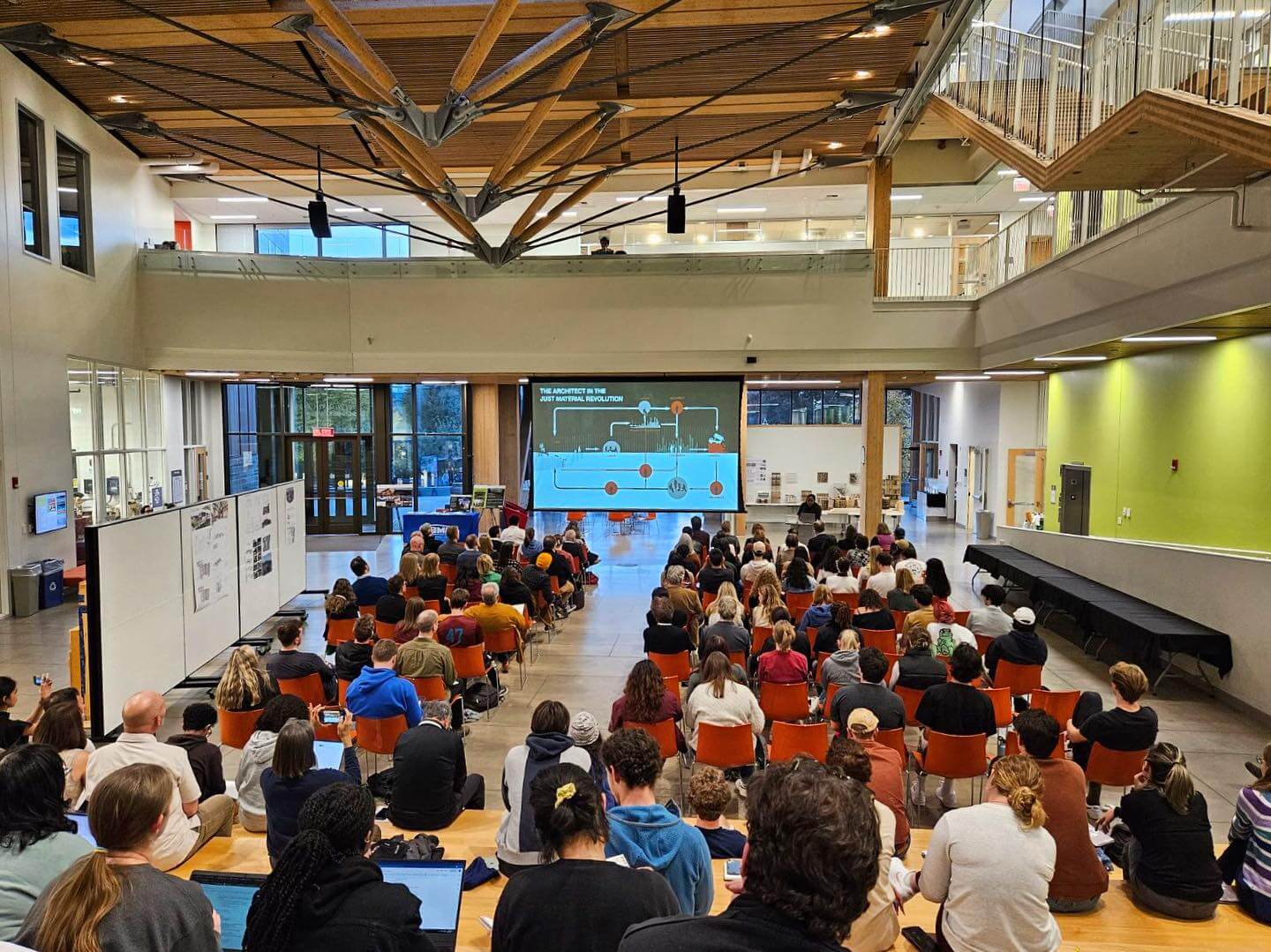
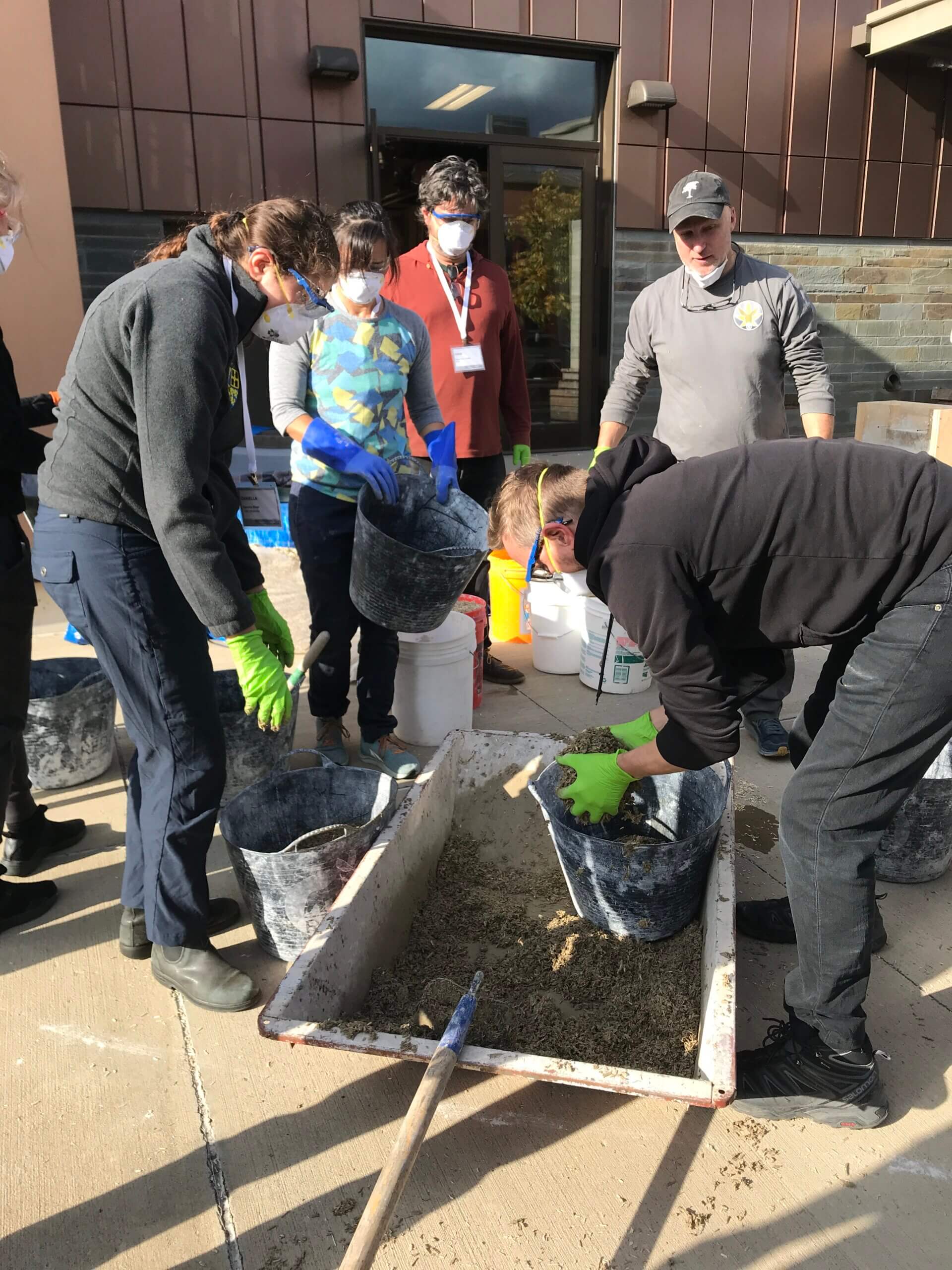
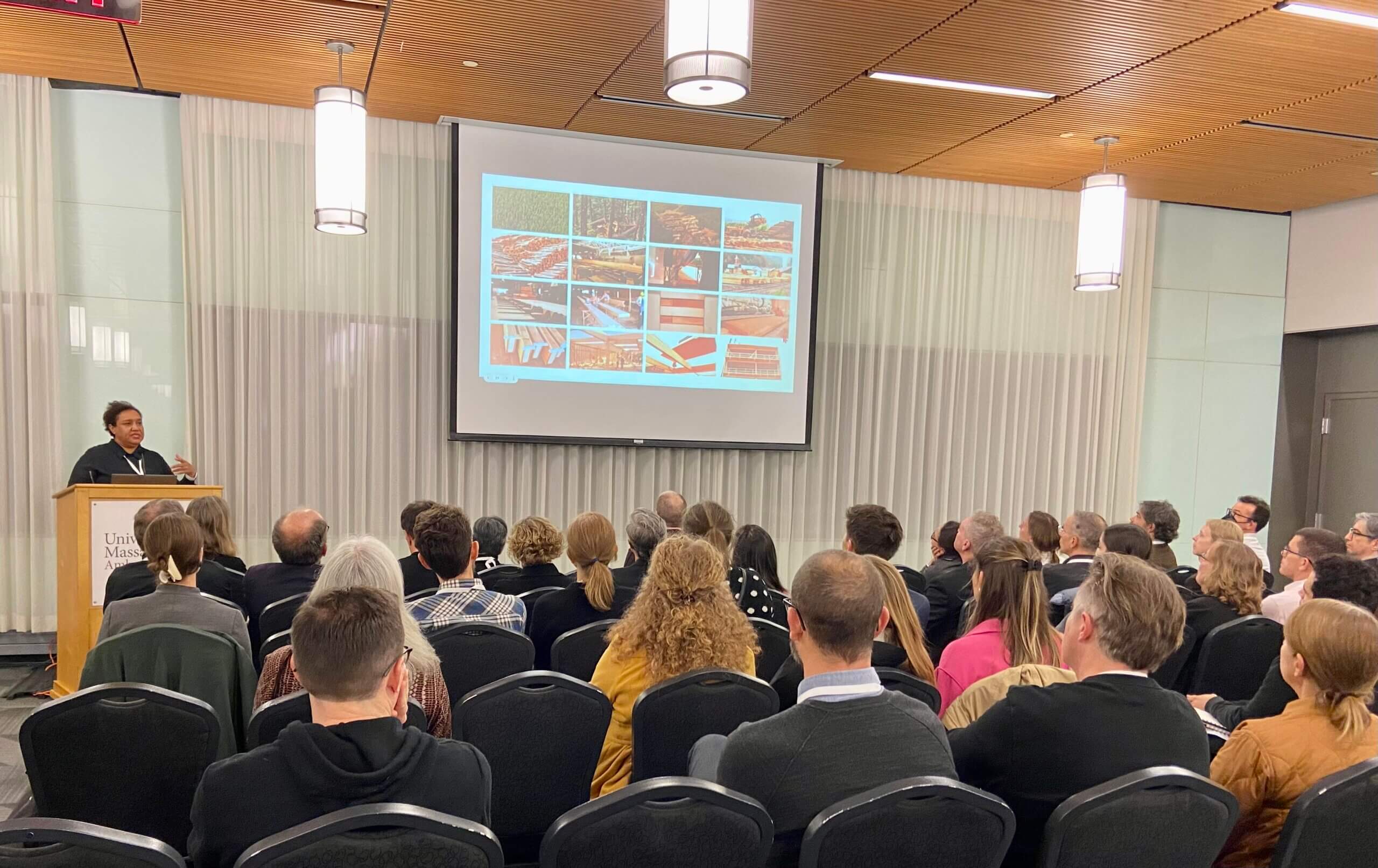
Proceedings of the 2023 ACSA/AIA Intersections Conference
R. Buckminster Fuller famously re-conceptualized the idea of material economy by asking “How much does your building weigh?” Nearly one hundred years later, our notion of material sustainability and the “weight” of building materials has taken on a more expansive meaning. Our current understanding of materiality suggests serious challenges related to the sustainability, resiliency, and human health impacts of our architectural materials. According to the United Nations Environment Programme’s Global Alliance of Buildings and Construction (Global ABC) nearly 50% of the carbon footprint over the next decade for today’s projects is the embodied carbon from construction. To meet the climate commitments of the Paris Agreement (COP21), it is these immediate emissions that are most critical. The Living Building Challenge’s Red List has raised awareness of the thousands of unregulated toxic chemicals present in our industrial economy, and hiding in our buildings, from our water pipes to our furnishings.
Despite the staggering scale of these problems, the scope of our industry suggests an opportunity to shift the material economy. Architecture 2030 cautions that buildings represent 40% of the world’s carbon emissions, and the International Organization for Economic Co-operation and Development finds that buildings comprise nearly 50% of the world’s material economy. The AIA’s Architecture & Design Materials Pledge, currently signed by more than 200 leading design firms, outlines the enormous opportunity for industry transformation, calling for more consistent metrics and a shift towards greater material transparency and accountability related to human, ecosystem, and climate health, social equity, and circularity. Are calls for greater transparency shifting the market from one that is extractive to one that is cyclical, and from one that is exploitative to one that is equitable? How does an expanded notion of material “weight” impact design? What forms of research are needed to address the most critical barriers in the design and delivery process for architects sourcing materials and assemblies to nurture and sustain ecosystems and strengthen communities?
Link to Conference Proceedings.
Date
2023
Co-Editor
Chris Flint Chatto
Sponsors
Metal Building Manufacturers Association, AIA Western Massachusetts, UMass College of Humanities and Fine Arts
Partners
Association of Collegiate Schools of Architecture, American Institute of Architects, UMass Amherst Department of Architecture